


Before You Fall in Love With a House: What First Time Buyers Get Wrong
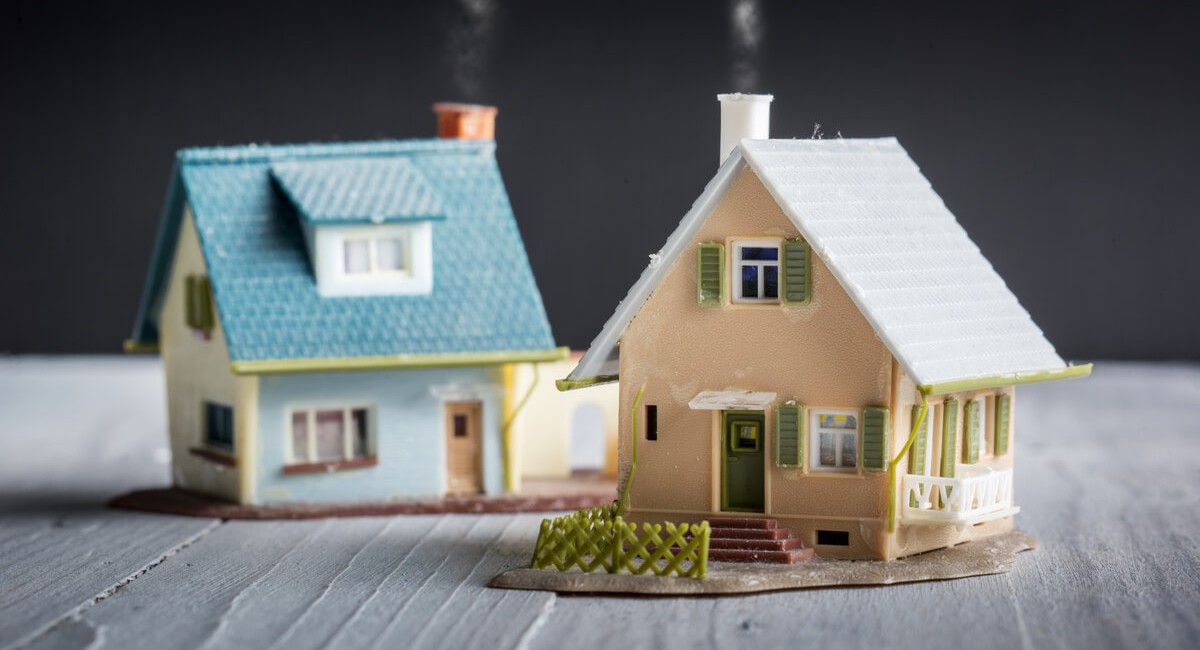
Before You Fall in Love With a House: What First-Time Buyers Get Wrong
(Part 1 of The Smart First-Time Homebuyer Series)
If you’re thinking about buying your first home and you feel overwhelmed, confused, or even a little behind—let me start with this: that’s completely normal.
Most first-time buyers feel this way not because they’re unprepared, but because no one ever explains the process in a calm, clear way. There’s a lot of noise online, a lot of opinions from friends and family, and a lot of pressure to “figure it out” quickly. That combination makes a big life decision feel harder than it needs to be.
This series exists to replace pressure with clarity.
Not to push you into buying.
Not to rush you.
Just to help you understand how buying a home actually works—so when you do move forward, it feels intentional instead of reactive.
YOUTUBE core buyer bootcamp vid…
The Biggest Mistake First-Time Buyers Make
The most common mistake I see is starting with the house instead of starting with yourself.
Scrolling listings. Touring homes. Falling in love with a kitchen.
And only then asking: “Wait… am I actually ready for this?”
That order creates stress.
Because once you emotionally connect to a home, everything feels urgent. Numbers feel scarier. Decisions feel heavier. And uncertainty feels like failure instead of what it really is: a normal part of learning.
Confidence in homebuying doesn’t come from finding “the perfect house.”
It comes from understanding your own readiness.
What “Being Ready” Actually Means
Readiness isn’t a single checkbox. It’s not just about money, and it’s definitely not about being perfect.
When I help buyers figure out if they’re ready, I look at four areas:
1. Emotional Readiness
Are you buying because you want to, not because you feel behind, pressured, or rushed?
Buying a home should feel intentional. It’s okay to feel excited and nervous at the same time. What matters is that the decision is yours—not something you’re doing to keep up with someone else’s timeline.
2. Lifestyle Readiness
Does buying a home make sense for your life right now?
This isn’t about having everything figured out. It’s about basic stability: your job, your routines, your willingness to stay in one place for a while. A home should support your life, not complicate it.
3. Financial Readiness
This is where most people get stuck—and usually because they think they need far more than they actually do.
Financial readiness isn’t about hitting a magic number. It’s about understanding your comfort zone, your priorities, and what feels sustainable for your real life.
We’ll go deeper into this in later posts, but for now: awareness matters more than perfection.
4. Information Readiness
This one gets overlooked.
Do you understand the process well enough to ask good questions and make decisions without feeling lost?
You don’t need to know everything. You just need enough clarity that the process feels navigable instead of mysterious.
What Readiness Is Not
Being ready does not mean:
You have zero debt
You have 20% saved
You know exactly which house you want
You feel 100% confident every step of the way
If those were the requirements, very few people would ever buy.
Readiness is about clarity, not perfection.
The Fear Most Buyers Don’t Say Out Loud
A lot of first-time buyers carry quiet fears:
What if I make the wrong choice?
What if I can’t afford it long term?
What if everyone else knows something I don’t?
None of those disqualify you.
They just mean you’re taking this seriously.
The goal isn’t to decide today if you’re buying a house.
The goal is to move from uncertainty to clarity—one step at a time.
That’s what confident buyers do differently. They replace guessing with understanding before emotions take over.
Why Starting Here Changes Everything
When you start with readiness instead of listings:
The pressure drops.
The numbers feel less intimidating.
The process feels slower—in a good way.
Decisions feel like choices, not obligations.
And most importantly: you stop feeling “behind” and start feeling informed.
Buying your first home isn’t a race.
It’s a learning process.
And learning is exactly where confident homeownership begins.
Coming next in the series:
How Much House Can You Actually Afford?
Why online calculators lie, what pre-approval really means, and how to choose comfort over maximums.
Check out this article next

This Valentine’s Day, Skip the Chocolates… Buy the House 🍫❌🏡✅
This Valentine’s Day, Skip the Chocolates… Buy the House 🍫❌🏡✅Let’s be honest.Chocolate disappears in a day.Flowers fade in a week.Balloons deflate by Tuesday.And that fancy…
Read Article